
Definitions · 1/6
What is a 'minority' or 'regional' language?
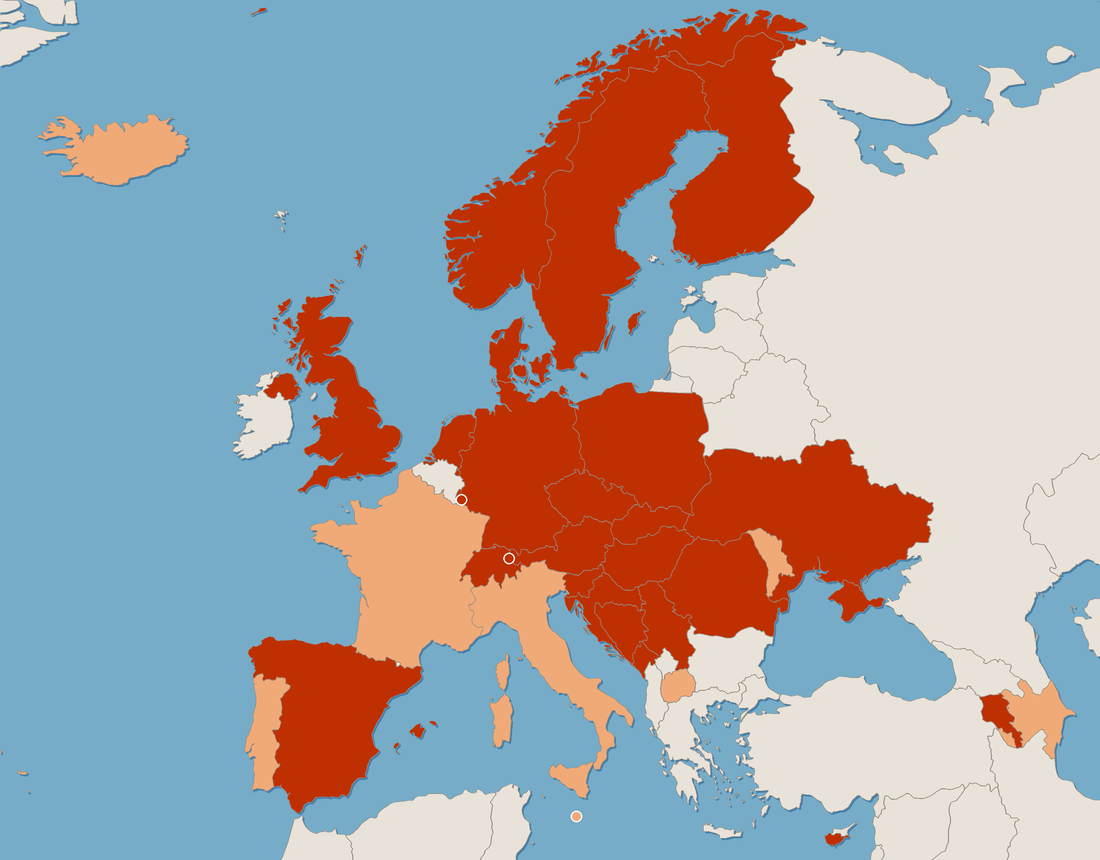
The term "minority language" covers two types of situations of speakers:
- the speakers of languages the use of which decreases and/or tends to disappear. The number of speakers diminishes, the language is not or less transmitted to new generations and in the long term the language itself risks becoming extinct.
Irish, although it is the official language of the Irish Republic, along with English, is such an example where the number of its speakers has worryingly decreased.
- the speakers of a language that has been granted no rights, or not enough - for example a minimum degree of co-officiality - in the territory where it has been traditionally spoken. The German language spoken in Denmark, in Southern Jutland, is not used in public domains nor in official publications, and the command of this language constitutes no pre-requisite for positions in civil services.
According to these definitions, we establish no distinction between the expressions 'minority language' and 'regional language'.
The expression 'regional language' is often used in reference to the languages spoken
in those States that, for political reasons, do not wish to use the word 'minority'.
Alsatian German (France) is referred to as a 'regional' language in France whilst the German variety of Meridional Jutland (Denmark) is referred to as a 'minority' language in Denmark.